- 401(k) or 403(b): The cornerstone of US retirement planning.
- How it saves tax: Contributions are made pre-tax, directly reducing your Adjusted Gross Income (AGI). For example, if you earn
 10,000, you are taxed on only
  23,000 (
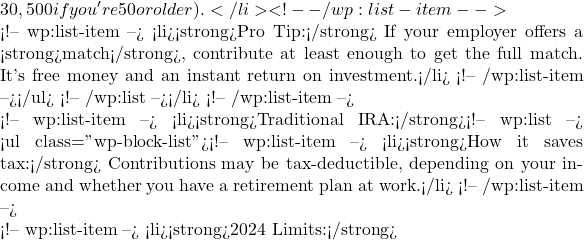 7,000 (
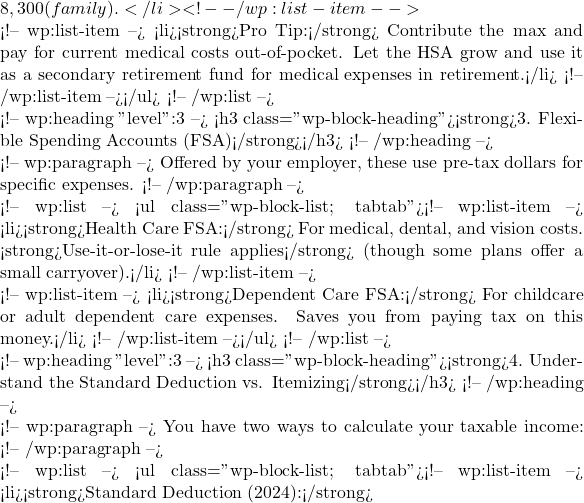
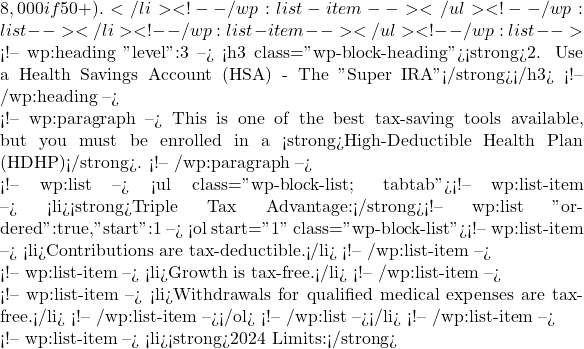 4,150 (individual) /
  14,600 (Single),
 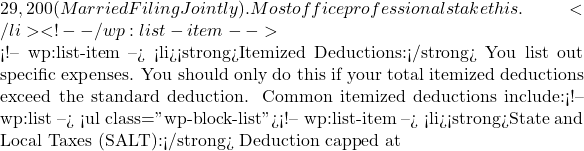 10,000.
 - Mortgage Interest: On loans up to
 2,500 of the interest you paid.
 - Credits are King: Unlike deductions, which reduce your income, tax credits directly reduce your tax bill dollar-for-dollar.
- Saver’s Credit: A credit for low-to-moderate-income taxpayers who contribute to a retirement account.
- Child Tax Credit: Up to $2,000 per qualifying child.
Quick-Check List for the US Professional:
- Max out your 401(k) contribution, especially to get the employer match.
- See if you’re eligible for an HSA and contribute the maximum.
- Enroll in your employer’s FSA for healthcare or dependent care costs.
- Contribute to a Traditional IRA if you’re eligible for the deduction.
- Keep records of student loan interest and charitable donations.
TAX-Saving Tips for UK Office Professionals
The UK system is different, centered around a Personal Allowance and specific tax-relief methods for investments.
1. Maximize Your Pension Contributions
This is the UK equivalent of the US 401(k) and is the most effective way to save tax.
- How it saves tax: Contributions receive tax relief at your highest rate of income tax.
- Basic Rate (20%): If you contribute £80, the government adds £20, making £100 in your pension.
- Higher Rate (40%) & Additional Rate (45%): You can claim back the additional 20% or 25% through your Self-Assessment tax return or by having your tax code adjusted.
- Workplace Pensions (Auto-Enrolment): You contribute a percentage of your earnings, your employer contributes, and you get government tax relief. Always opt in!
- Annual Allowance: You can contribute up to £60,000 (2024/25) or 100% of your earnings (whichever is lower) and receive tax relief.
2. Utilize the ISA (Individual Savings Account)
While pension contributions get tax relief on the way in, ISAs are tax-free on the way out.
- How it saves tax: Any interest, dividends, or capital gains within an ISA are completely free from UK tax. You don’t even need to declare it on a tax return.
- 2024/25 Allowance: £20,000.
- Types: Cash ISA (like a savings account), Stocks & Shares ISA (for investments), Lifetime ISA (for first-time home buyers or retirement).
3. Claim Work-Related Expenses
You can claim tax relief on money you’ve spent on things like:
- Professional Subscriptions & Fees: If you pay for professional body memberships (e.g., CIPD, CIMA, ACCA) that are required for your job.
- Uniforms & Work Clothing: Specifically for clothing that bears a logo or is a mandatory uniform (not general suits/business wear).
- Use of Home for Work: If you have to work from home regularly (not by choice), you can claim a flat rate for additional household costs.
How to claim: If your employer hasn’t reimbursed you, you can claim directly from HMRC through the .GOV website, often through a simple “P87” form.
4. Understand Your Tax Code
Your tax code (e.g., 1257L) determines how much of your income is tax-free. Ensure it’s correct. A wrong code means you could be overpaying or underpaying tax. Your Personal Allowance for 2024/25 is £12,570.
5. Marriage Allowance
If you’re married or in a civil partnership and one partner earns less than the Personal Allowance (£12,570), they can transfer £1,260 of their Personal Allowance to the higher-earning partner. This can save you £252 a year in tax.
6. Cycle to Work Scheme
A salary sacrifice scheme that allows you to buy a bike and equipment tax-free, saving you 25-42% of the cost depending on your tax bracket.
Quick-Check List for the UK Professional:
- Increase your pension contributions, especially to maximize employer matching.
- Use your full £20,000 ISA allowance each year for tax-free growth.
- Claim tax relief on professional subscriptions and necessary work expenses.
- Check your tax code is correct.
- See if you’re eligible for the Marriage Allowance.
- Consider the Cycle to Work scheme for your next bike.
By understanding these country-specific strategies, you can proactively reduce your tax liability and keep more of your hard-earned money.
For office professionals on a fixed salary, the key to tax saving is being strategic and planning ahead. Unlike business owners, you can’t claim a wide range of expenses, but you have several powerful tools at your disposal.
Here is a comprehensive guide to tax-saving tips for office professionals, structured for easy understanding.
Tax laws are complex and change frequently. Always consult with a certified professional like a CPA (US) or an accountant (UK) for personalized advice.
TAX-Saving Tips for US Office Professionals
The US system relies heavily on deductions and tax-advantaged accounts. Your filing status (Single, Married Filing Jointly, etc.) greatly impacts your strategy.
1. The Golden Rule: Maximize Retirement Accounts
This is the most powerful way to reduce your taxable income.
- 401(k) or 403(b): The cornerstone of US retirement planning.
- How it saves tax: Contributions are made pre-tax, directly reducing your Adjusted Gross Income (AGI). For example, if you earn 10,000, you are taxed on only 23,000 (7,000 (4,150 (individual) / 14,600 (Single), 10,000.
- Mortgage Interest: On loans up to 2,500 of the interest you paid.
- Credits are King: Unlike deductions, which reduce your income, tax credits directly reduce your tax bill dollar-for-dollar.
- Saver’s Credit: A credit for low-to-moderate-income taxpayers who contribute to a retirement account.
- Child Tax Credit: Up to $2,000 per qualifying child.
Quick-Check List for the US Professional:
- Max out your 401(k) contribution, especially to get the employer match.
- See if you’re eligible for an HSA and contribute the maximum.
- Enroll in your employer’s FSA for healthcare or dependent care costs.
- Contribute to a Traditional IRA if you’re eligible for the deduction.
- Keep records of student loan interest and charitable donations.
TAX-Saving Tips for UK Office Professionals
The UK system is different, centered around a Personal Allowance and specific tax-relief methods for investments.
1. Maximize Your Pension Contributions
This is the UK equivalent of the US 401(k) and is the most effective way to save tax.
- How it saves tax: Contributions receive tax relief at your highest rate of income tax.
- Basic Rate (20%): If you contribute £80, the government adds £20, making £100 in your pension.
- Higher Rate (40%) & Additional Rate (45%): You can claim back the additional 20% or 25% through your Self-Assessment tax return or by having your tax code adjusted.
- Workplace Pensions (Auto-Enrolment): You contribute a percentage of your earnings, your employer contributes, and you get government tax relief. Always opt in!
- Annual Allowance: You can contribute up to £60,000 (2024/25) or 100% of your earnings (whichever is lower) and receive tax relief.
2. Utilize the ISA (Individual Savings Account)
While pension contributions get tax relief on the way in, ISAs are tax-free on the way out.
- How it saves tax: Any interest, dividends, or capital gains within an ISA are completely free from UK tax. You don’t even need to declare it on a tax return.
- 2024/25 Allowance: £20,000.
- Types: Cash ISA (like a savings account), Stocks & Shares ISA (for investments), Lifetime ISA (for first-time home buyers or retirement).
3. Claim Work-Related Expenses
You can claim tax relief on money you’ve spent on things like:
- Professional Subscriptions & Fees: If you pay for professional body memberships (e.g., CIPD, CIMA, ACCA) that are required for your job.
- Uniforms & Work Clothing: Specifically for clothing that bears a logo or is a mandatory uniform (not general suits/business wear).
- Use of Home for Work: If you have to work from home regularly (not by choice), you can claim a flat rate for additional household costs.
How to claim: If your employer hasn’t reimbursed you, you can claim directly from HMRC through the .GOV website, often through a simple “P87” form.
4. Understand Your Tax Code
Your tax code (e.g., 1257L) determines how much of your income is tax-free. Ensure it’s correct. A wrong code means you could be overpaying or underpaying tax. Your Personal Allowance for 2024/25 is £12,570.
5. Marriage Allowance
If you’re married or in a civil partnership and one partner earns less than the Personal Allowance (£12,570), they can transfer £1,260 of their Personal Allowance to the higher-earning partner. This can save you £252 a year in tax.
6. Cycle to Work Scheme
A salary sacrifice scheme that allows you to buy a bike and equipment tax-free, saving you 25-42% of the cost depending on your tax bracket.
Quick-Check List for the UK Professional:
- Increase your pension contributions, especially to maximize employer matching.
- Use your full £20,000 ISA allowance each year for tax-free growth.
- Claim tax relief on professional subscriptions and necessary work expenses.
- Check your tax code is correct.
- See if you’re eligible for the Marriage Allowance.
- Consider the Cycle to Work scheme for your next bike.
By understanding these country-specific strategies, you can proactively reduce your tax liability and keep more of your hard-earned money.
- How it saves tax: Contributions are made pre-tax, directly reducing your Adjusted Gross Income (AGI). For example, if you earn
- How it saves tax: Contributions are made pre-tax, directly reducing your Adjusted Gross Income (AGI). For example, if you earn
TAX-Saving Tips For Office Professionals In The USA And The UK

I am the Founder and Editor-in-Chief of the SuperBusinessManager.com website. I am the EU citizen with approximately 20 years of experience in secondary and higher business education in both public and private sectors. Currently living with my wife and our two adorable children in China where I teach Business Management and Economics at K-12 international schools. Professionally, I am an experienced Lecturer and Researcher in Business Management and Economics, as well as IB Examiner for DP Business Management at International Baccalaureate (IB). Privately, I enjoy reading and collecting books on business management, personal finance and investing. You can contact me at jerrygrzegorzek@hotmail.com